
Choosing the Right Sandwich Franchise: What Future Owners Should Look For
Owning a sandwich franchise can be an exciting way to become your own boss—but not every franchise opportunity is built for long-term success. While great food is important, the right franchise should also provide the training, support, and business systems that help owners grow with confidence.
The quick-service restaurant (QSR) industry continues to expand, with the International Franchise Association projecting more than 204,000 quick-service franchise locations in the U.S. as the industry grows year over year.¹ That growth creates opportunity, but it also makes choosing the right franchise more important than ever.
Whether you’re exploring your first business venture or looking to expand your portfolio, here’s what to look for before investing in a sandwich franchise.
Not All Sandwich Franchises Are Built the Same
At first glance, many sandwich franchise opportunities may seem similar. Most promise proven systems, recognizable branding, and operational support.
The reality is that the experience behind the scenes can vary significantly.
The best franchise relationships go beyond opening day. They combine a quality product with practical training, ongoing support, and a culture that helps franchise owners continue learning long after their doors open.
When comparing opportunities, look beyond startup costs and projected sales. Consider how the franchisor will support your success for years to come.
6 Factors to Consider When Choosing a Sandwich Franchise
1. A Brand Built on Quality
Customers have more choices than ever, and they quickly notice the difference between average and exceptional food.
Look for a franchise that prioritizes:
- Fresh, high-quality ingredients
- Consistent food preparation
- Products made to order
- A menu customers return for—not just try once
Quality isn’t just good for customers—it helps build repeat business, positive reviews, and lasting relationships within your community.
2. Hands-On Training That Goes Beyond Opening Day
Opening a restaurant is only the beginning.
Strong franchise systems invest in comprehensive training that prepares owners for day-to-day operations, staffing, inventory management, customer service, and financial performance—not just how to make the menu.
More importantly, ask what happens after opening.
The best franchisors continue providing guidance, coaching, and operational support as your business grows instead of leaving owners to figure everything out on their own.
3. A Franchise System That Helps You Grow
A proven business model should make ownership easier—not more complicated.
As you evaluate franchise opportunities, ask what resources are available to help you manage the business effectively.
Look for support with:
- Marketing and local promotions
- Inventory management
- Operations and performance coaching
- Financial reporting and business insights
- Ongoing education and best practices
These systems allow owners to spend more time growing their business and serving customers instead of constantly solving operational challenges.
4. Flexibility Without Feeling Like You’re on Your Own
The strongest franchise systems strike a balance between proven processes and entrepreneurial freedom.
You should receive clear standards that protect the brand while still having the flexibility to build relationships in your local community, lead your team, and operate your business in ways that make sense for your market.
A franchise should give you a roadmap—not micromanage every decision.
5. A Culture That Matches Your Values
Business partnerships are built on more than contracts.
Take time to understand the culture behind the brand.
Ask yourself:
- Do they invest in their franchise owners?
- Are franchisees treated like partners?
- Can you speak with existing owners?
- Does the company value relationships as much as results?
A people-first culture often leads to stronger communication, better support, and a more rewarding ownership experience.
6. Room to Grow
If you’re investing in a franchise, think beyond your first location.
Even if you begin with a single restaurant, it’s worth choosing a brand that supports long-term growth. Some owners eventually expand into multiple locations as they gain experience and confidence.
Look for a franchise with a scalable business model, ongoing development opportunities, and leadership that wants to see franchisees succeed over the long term—not just during the opening process.
Warning Signs of the Wrong Sandwich Franchise
Finding the right opportunity isn’t just about spotting the positives—it’s also about recognizing potential red flags before you invest.
While every franchise system operates differently, these warning signs may be worth exploring further during your research.
Limited Support After Opening
Opening day shouldn’t be the finish line for your relationship with the franchisor.
Ask what support looks like six months or even two years after opening. Strong franchise systems continue providing coaching, operational guidance, and resources as your business evolves. If support ends once the grand opening is over, you could find yourself navigating challenges alone.

One-Size-Fits-All Training
No two franchise owners bring the same experience to the table.
Some may have years of restaurant management experience, while others are opening their very first business. A quality franchise should recognize those differences and provide training that meets owners where they are, helping them build confidence instead of simply checking boxes.
You Can’t Talk to Existing Franchise Owners
One of the best ways to evaluate a franchise is by speaking with the people already running the business.
Ask whether you can connect with current franchisees to hear about their experiences. Honest conversations can provide valuable insight into the day-to-day realities of ownership, the level of support available, and the overall relationship with the franchisor.
If a franchise discourages those conversations, it’s worth asking why.
The Focus Is on Selling Franchises Instead of Developing Owners
A franchise should be invested in your long-term success—not simply in awarding another territory.
Look for a brand that talks about training, operational support, customer experience, and business growth just as much as it talks about expansion. The strongest franchise systems succeed because their owners succeed.
Questions to Ask Before Signing a Franchise Agreement
Once you’ve narrowed your options, the right questions can help you understand what it’s really like to own and operate the business. Use these questions during discovery calls and conversations with current franchise owners.
- How is training tailored to owners with different experience levels?
- What support can I expect after my restaurant opens?
- Can I speak with current franchisees about their experience?
- How often will I work with my franchise support team?
- What tools are available to help me manage inventory, staffing, and operations?
- What opportunities exist for multi-unit ownership or future growth?
- How does the company measure franchisee success?
Quick Comparison: What Matters Most?
| Factor | Why It Matters | What to Look For |
|---|---|---|
| Training | Builds confidence | Hands-on learning |
| Ongoing Support | Helps solve challenges | Dedicated coaching |
| Product Quality | Drives repeat business | Fresh, consistent food |
| Company Culture | Creates stronger partnerships | People-first leadership |
What Great Franchise Support Actually Looks Like
Choosing a franchise isn’t just about the menu or the brand name—it’s about the people you’ll rely on long after your grand opening.
The strongest franchise systems don’t simply teach you how to open a restaurant. They invest in helping you become a better business owner over time.
As you compare sandwich franchise opportunities, look for support that includes:
Personalized Training
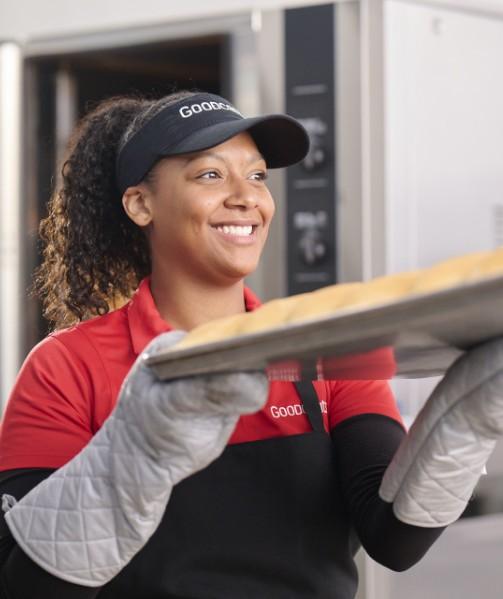
Every franchise owner starts from a different place. Some have years of restaurant experience, while others are stepping into business ownership for the first time.
A quality franchise should adapt its training to your background, helping you build confidence in everything from daily operations to financial management and leadership.
Ongoing Business Coaching
Your questions don’t stop once the doors open—and neither should your support.
The best franchisors continue checking in, offering operational guidance, sharing best practices, and helping owners navigate new challenges as their businesses grow. Consistent coaching can make a meaningful difference in long-term success.
Practical Operational Resources
Running a restaurant involves much more than serving great food. Successful franchise owners also understand the importance of maintaining consistent operational standards, from inventory management to food safety and cleanliness.
Look for a franchise that provides practical tools and guidance for areas such as:
- Inventory management
- Food cost control
- Staffing and scheduling
- Marketing support
- Financial performance
- Operational best practices
These resources help owners spend less time solving problems and more time growing their business.
A True Partnership
Perhaps the most important question to ask is simple:
Will I feel like a franchise number—or a business partner?
The best franchise relationships are built on trust, communication, and a shared commitment to success. When franchise owners know they have experienced people invested in helping them grow, they’re better equipped to overcome challenges and build thriving businesses within their communities.
Build a Business—Not Just Another Restaurant
Choosing the right sandwich franchise is about more than finding a recognizable brand—it’s about finding a partner that will support your success for years to come.
As you evaluate franchise opportunities, look beyond startup costs and marketing materials. Consider the quality of the food, the strength of the training, the level of ongoing support, and the culture behind the brand. Those factors often have the greatest impact on your experience as a business owner.

Why Entrepreneurs Choose Goodcents?
As a privately owned franchise with more than 35 years of experience, we focus on helping entrepreneurs build successful businesses through personalized support, hands-on training, and a proven operating system—not a one-size-fits-all model.
From your first day of training through the day-to-day realities of running your restaurant, our team is committed to helping you grow with confidence. Combined with fresh, high-quality food and a people-first culture, Goodcents gives franchise owners the tools, support, and flexibility to build a business they’re proud to own.
Ready to explore Goodcents franchise opportunities? Learn more about becoming a franchise owner and discover what it means to join a brand that’s invested in your long-term success.
Frequently Asked Questions About Sandwich Franchises
Look for a franchise that offers more than a recognizable brand. Quality food, comprehensive training, ongoing support, a proven business model, and a strong company culture are all important factors that can influence your long-term success.
Every franchise opportunity is different, but sandwich franchises continue to be one of the strongest segments within the quick-service restaurant industry. Evaluating the franchisor’s support, operational systems, and growth opportunities can help you determine whether it’s the right fit for your goals.
Training is one of the most valuable resources a franchisor can provide. A strong training program prepares owners for daily operations and should continue with coaching and support after the restaurant opens.
Yes. In fact, it’s one of the best ways to evaluate a franchise opportunity. Speaking with existing franchisees can provide valuable insight into the training, support, and day-to-day ownership experience.
While menus may appear similar, franchise systems often differ significantly in their training, operational support, company culture, flexibility, and long-term commitment to franchise owner success.