
Choosing the Right Food Franchise: What to Look for Before You Invest
Choosing a Franchise Is a Business Decision — Not Just a Brand Crush
Choosing a food franchise is exciting. It’s also a big decision that can shape your day-to-day life, your income, and your long-term goals as a business owner.
With so many food franchise opportunities on the market, it’s easy to get caught up in bold branding, trending menus, or big promises. But behind every successful food franchise is something less flashy and far more important: a system that works, support you can count on, and a brand you actually want to build your future with.
This guide is designed to help you cut through the noise. Instead of overwhelming you with endless checklists, we’ll walk through what truly matters when choosing the right food franchise — so you can make a confident, informed decision that fits your goals, your lifestyle, and your values.
The Real Decision You’re Making When You Choose a Food Franchise
When you invest in a food franchise, you’re not just choosing a menu or a logo. You’re choosing a franchise business model that will influence how you work, who you work with, and how your business grows over time.
At its core, choosing the right food franchise means deciding:
- What kind of business owner you want to be
- How involved you want to be in daily operations
- Whether you’re building for stability, growth, or multi-unit ownership
- Who you want supporting you when challenges come up
Some franchise opportunities are designed to help you replace a job. Others are built to help you grow a business. Neither is inherently right or wrong — but understanding the difference early on can save you from frustration later.
The strongest food franchises make this clear from the start. They set expectations, provide structure, and give franchise owners the tools to work on their business, not just in it.
What You’re Really Choosing When You Buy a Food Franchise
You’re Evaluating
Franchise system
Support structure
Training approach
Brand values
Growth model
What It Impacts
Daily operations
Problem-solving and growth
Confidence as an owner
Community and culture
Long-term potential
What Actually Determines Franchise Success (Beyond the Food)
Great food matters. But food alone doesn’t determine whether a franchise thrives long term.
When you look at food franchises that consistently perform well across multiple locations and markets, they tend to share a few critical traits that go far beyond the menu. These factors shape everything from daily operations to long-term growth — and they’re often the difference between a smooth launch and ongoing frustration.
The Strength of the Franchise System
A strong food franchise is built on repeatable systems, not guesswork.
This includes clear operational standards, well-documented processes, and a business model that’s been tested across multiple locations. When systems are in place, franchise owners can focus on running and growing the business instead of constantly putting out fires.
As you evaluate franchise opportunities, ask yourself:
- Is the business model proven, or still evolving?
- Are expectations clearly defined?
- Can this system scale beyond a single location?
The best franchise systems are structured enough to provide consistency, but flexible enough to grow with the right owner.
The Level of Training and Ongoing Support
Training doesn’t stop after opening day — and it shouldn’t.
Some food franchises rely heavily on online modules and manuals. Others invest in hands-on training, in-person support, and real people who understand the realities of running a restaurant. That difference shows up quickly once you’re in the field.
Strong franchisor support often includes:
- Practical, hands-on training before and after opening
- Ongoing coaching as your business evolves
- A manageable support structure that allows for personalized guidance
When evaluating a food franchise, look closely at how support is delivered, not just how it’s described. The quality of that relationship can shape your experience as an owner just as much as the brand itself.
Transparency Around Franchise Costs and Expectations
Understanding franchise costs upfront is essential — but clarity matters just as much as the numbers themselves.
Beyond the initial investment, food franchise owners need a clear picture of ongoing fees, operational expectations, and what’s required to maintain brand standards. The most reliable franchise opportunities are upfront about both the financial commitment and the operational realities.
Before moving forward, make sure you understand:
- Startup and ongoing franchise costs
- What support is included — and what isn’t
- How expectations change as your business grows
Transparency builds trust. And trust is foundational when you’re entering a long-term partnership with a franchisor.
What Owning a Food Franchise Is Really Like Day to Day
Owning a food franchise is rewarding — but it’s also hands-on, people-driven, and dynamic. Understanding what the day-to-day looks like before you invest helps you choose a franchise opportunity that actually fits your lifestyle and long-term goals.
People Management Is a Core Part of the Job
People are at the heart of every successful food franchise. As an owner, you’ll spend time hiring, training, motivating, and supporting your team. Strong franchise systems provide tools and guidance, but leadership and culture start with you.
When evaluating a franchise opportunity, consider how much support is available for recruiting, training, and developing staff — and how comfortable you are leading a team day in and day out.
Consistent Operations Drive Long-Term Success
Food franchises depend on consistency. From food quality and inventory control to service standards and cleanliness, daily execution matters.
Well-built franchise systems remove guesswork by providing clear processes and expectations. This allows owners to focus on performance and improvement rather than constantly solving the same operational issues.
Growth Happens When You Work on the Business
Successful franchise owners don’t just work in their business — they work on it.
This includes reviewing financials, understanding performance trends, planning for growth, and being open to coaching. Over time, many owners transition from day-to-day operators to business leaders focused on stability and expansion.
For those interested in multi-unit ownership, this mindset becomes even more important.
Ownership Requires Energy, Focus, and Adaptability
Food franchises can be demanding, especially during peak hours and early stages of ownership. Schedules, staffing challenges, and operational changes are part of the reality.
That said, the right food franchise opportunity provides the structure, support, and flexibility needed to adapt — turning challenges into manageable, repeatable systems rather than ongoing stress.
Questions Smart Franchise Owners Ask Before They Invest

Before committing to a food franchise, it’s important to step back and ask the right questions — not just about the brand, but about yourself, the system, and the long-term partnership you’re entering.
These questions help potential franchise owners evaluate whether a franchise opportunity truly fits their goals, expectations, and working style.
Do I Want to Own and Grow a Business — or Just Replace My Job?
Some franchise opportunities are designed to be owner-operated indefinitely. Others are built to support growth beyond a single location.
Neither approach is wrong, but understanding what you want early matters. If your goal is to build a business that grows over time, look for a food franchise that supports leadership development, delegation, and long-term planning — not just day-to-day operations.
Am I Willing to Follow a Proven System and Be Coached?
Franchising works best when franchise owners are coachable and willing to follow established systems.
Strong food franchises provide clear brand standards, operational guidelines, and training programs. In return, franchise owners commit to executing those systems consistently. This balance allows the business to perform while still leaving room for personal leadership style.
If complete independence is your top priority, a franchise may not be the right fit. But if you value structure with support, the right franchise system can accelerate your success.
Does This Franchise Support Long-Term Growth?
Growth looks different for every franchise owner. For some, it means refining a single location. For others, it means expanding into multi-unit ownership.
When evaluating a franchise opportunity, look at whether the brand actively supports long-term growth through training, coaching, operational clarity, and realistic expansion pathways. A strong food franchise should grow with you — not limit you.
Can I Speak Directly With Current Franchise Owners?
Franchise validation is one of the most important steps in the decision-making process.
Talking with current franchise owners provides real insight into daily operations, support, challenges, and overall satisfaction. The strongest franchise brands encourage these conversations and are transparent about both successes and areas of improvement.
Hearing directly from franchise owners helps you move forward with confidence — or recognize when a franchise opportunity isn’t the right fit.
Common Red Flags When Evaluating Food Franchise Opportunities
Not every food franchise opportunity is built for long-term success. Recognizing potential red flags early can help you avoid frustration and costly mistakes down the road.
While no franchise is perfect, certain warning signs should prompt deeper questions before you move forward.
- Unclear or overly optimistic financial claims
Be cautious of brands that promise quick returns or downplay ongoing costs without clear documentation. - Limited access to current franchise owners
Strong franchises encourage open conversations. Hesitation around franchisee validation is a red flag. - One-size-fits-all support structures
If support feels generic or stretched too thin, personalized guidance may be limited once you’re open. - Pressure to move quickly
Franchise decisions shouldn’t feel rushed. Time to review, ask questions, and validate is essential. - Lack of a clear growth path
Even if you plan to start with one location, understanding long-term options matters.
Identifying these red flags doesn’t mean walking away immediately — it means asking better questions and ensuring expectations align on both sides.
Why the Right Food Franchise Feels Different
At a certain point in your research, the decision becomes less about comparing bullet points and more about how a franchise feels.
The right food franchise doesn’t just look good on paper. It feels aligned with how you want to run a business, treat people, and show up in your community. Support feels accessible. Expectations are clear. And challenges feel manageable because you’re not navigating them alone.
For many franchise owners, this is the moment when the decision shifts from “Does this work?” to “Can I see myself doing this for the long haul?” That clarity often comes from shared values, strong relationships, and confidence in the people behind the brand.
What Sets a People-First Food Franchise Apart
Not all food franchises are built the same. While many focus primarily on scale and speed, people-first franchises prioritize something different: strong relationships, thoughtful support, and long-term sustainability for franchise owners.
These qualities don’t just create better businesses — they create better ownership experiences.
Founder-Led and Privately Owned
Founder-led, privately owned food franchises tend to operate with a different mindset. Decisions are guided by long-term health rather than short-term profit, and culture is shaped by real people — not investor decks.
This often results in clearer values, more flexibility, and leadership that’s deeply invested in the success of franchise owners, not just the growth of the brand.
Personalized Support, Not a Call Center
In a people-first franchise system, support is intentional and personal.
Instead of being one of hundreds of locations competing for attention, franchise owners receive guidance tailored to their experience level, strengths, and challenges. This kind of support makes it easier to navigate staffing, operations, and growth — especially during the early stages of ownership.
When evaluating a food franchise, pay attention to how support is structured and how accessible it feels.

Hands-On Training From Day One
Training sets the foundation for everything that follows.
The strongest food franchises emphasize hands-on, experiential training that prepares owners for real-world operations. Learning by doing builds confidence, reinforces standards, and ensures franchise owners understand every part of the business — from food preparation to customer service.
This approach creates owners who are equipped to lead, not just manage.
Freedom Within a Proven System
People-first franchises understand that entrepreneurship doesn’t look the same for everyone.
Clear systems and brand standards provide consistency, while flexibility within those systems allows owners to build their business in a way that works for their market, team, and goals. This balance supports creativity, ownership pride, and long-term engagement without sacrificing operational integrity.
Food Quality That Builds Trust and Loyalty
At the end of the day, food still matters — especially when it’s prepared with care and consistency.
Franchises that prioritize fresh preparation, quality ingredients, and attention to detail create experiences customers come back for. That commitment to quality supports brand trust, repeat business, and stronger connections within the community.
Frequently Asked Questions About Choosing a Food Franchise
There’s no single answer, because profitability depends on factors like location, management, operating costs, and support from the franchisor. The most successful food franchises typically combine strong systems, consistent food quality, and ongoing support that helps owners adapt and grow over time.
Rather than chasing trends, it’s often smarter to focus on franchise opportunities with proven performance and long-term stability.
The cost to start a food franchise varies widely depending on the brand, size of the location, and market. Initial investment often includes build-out, equipment, training, and franchise fees.
Beyond startup costs, it’s important to understand ongoing expenses such as royalties, marketing contributions, and operational costs. Clear, upfront information helps franchise owners plan realistically and avoid surprises.
Franchise owners earn income through the performance of their individual locations. This includes managing costs, building repeat customer traffic, and leading strong teams.
Successful food franchise owners focus on consistency, operational efficiency, and long-term planning rather than short-term wins. Support from the franchisor plays a key role in helping owners improve performance over time.
Failure rates vary across the franchise industry and are influenced by market conditions, owner involvement, and the strength of the franchise system.
Franchises with clear expectations, strong training programs, and ongoing support tend to perform more consistently. Speaking directly with current franchise owners can provide valuable insight into long-term performance and challenges.
The Franchise Disclosure Document (FDD) outlines key information about a franchise opportunity, including fees, obligations, and the relationship between the franchisor and franchise owner.
Reviewing the FDD carefully (ideally with a franchise attorney) helps potential owners understand what they’re committing to and ensures transparency before moving forward.
Why Goodcents Is a Food Franchise Worth Considering
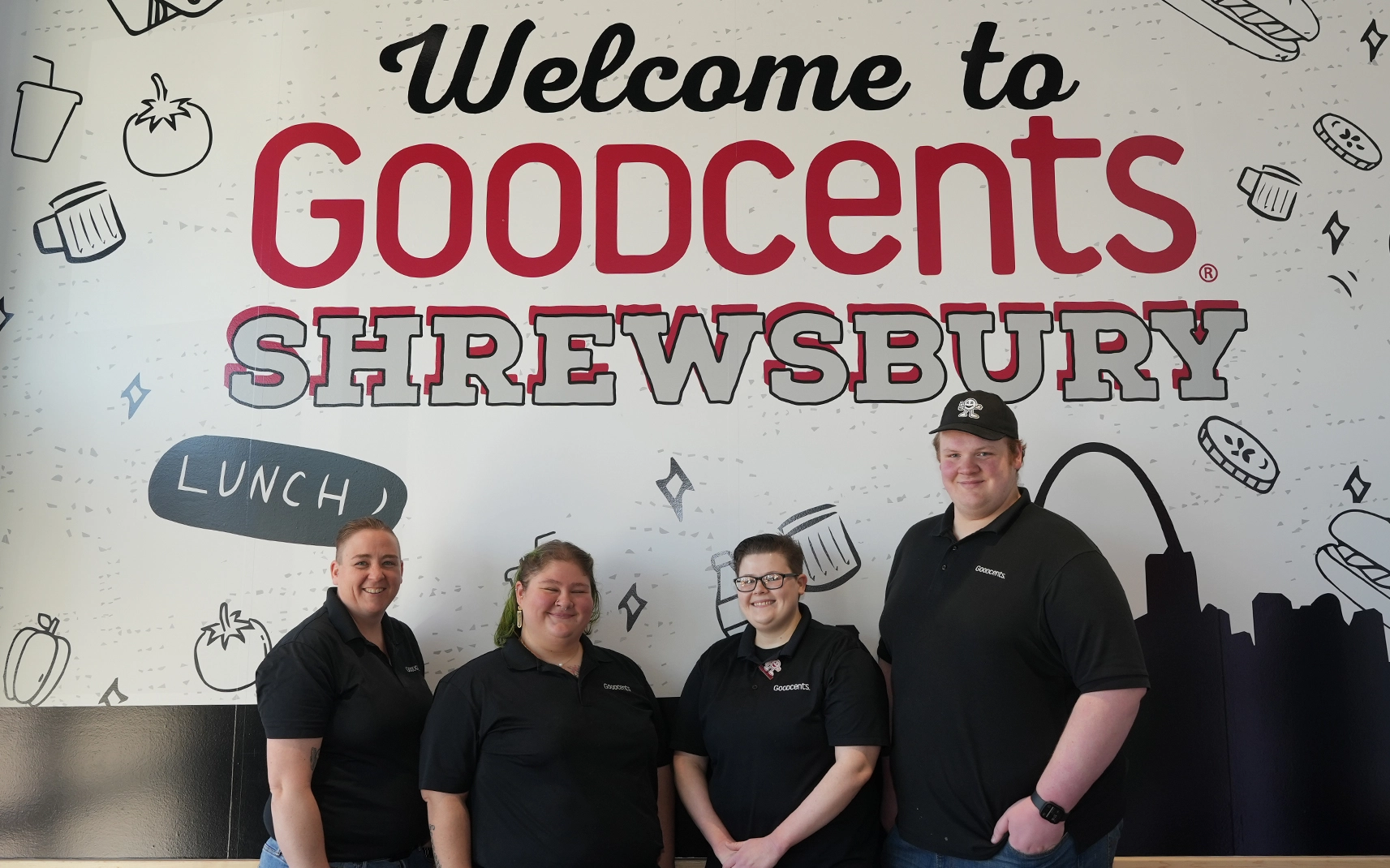
For entrepreneurs looking for a food franchise built on strong values, real support, and long-term growth, Goodcents stands out as a compelling option. As a privately owned, founder-led brand, Goodcents focuses on building people (and not just locations) through hands-on training, personalized support, and a proven system that’s been refined over decades.
With a commitment to quality food, fresh preparation, and genuine community connection, Goodcents offers franchise owners the opportunity to grow a business they can be proud of, with the structure and support needed to succeed over the long haul.
Choosing a Food Franchise That Grows With You
Choosing the right food franchise isn’t about finding a perfect opportunity, it’s about finding the right fit.
The strongest franchise partnerships are built on clear expectations, shared values, and ongoing support. When systems are solid and people come first, franchise ownership becomes less about navigating uncertainty and more about building something sustainable and meaningful.
Taking the time to ask the right questions, validate your assumptions, and understand the full picture helps you move forward with confidence and choose a food franchise that grows with you over time.